
Understanding gambling addiction A guide to awareness and support
What is Gambling Addiction?
Gambling addiction, also known as compulsive gambling or gambling disorder, is a behavioral condition characterized by an uncontrollable urge to gamble despite the negative consequences it may bring. This addiction can affect individuals from all walks of life, leading to financial distress, relationship issues, and even mental health disorders. It is crucial to recognize that gambling addiction is not merely a failure of willpower but a complex interplay of psychological, social, and biological factors. Online gambling has become increasingly popular, making it easier for people to access various gaming options, including payid online pokies.
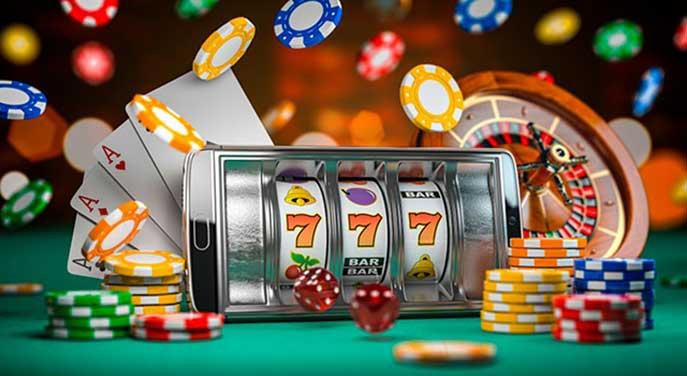
Individuals suffering from gambling addiction often experience a cycle of loss and desperation, where the pursuit of winning leads them deeper into debt and despair. This compulsive behavior can manifest in various forms, whether through traditional casinos, sports betting, or online gambling platforms. The rapid growth of online gambling has made it even easier for individuals to engage in this behavior, contributing to a rise in addiction rates.
Understanding gambling addiction is essential for both those affected and their loved ones. Awareness fosters empathy and support while also providing a pathway for recovery. It is important to differentiate between casual gambling and a gambling problem, as early intervention can significantly enhance the chances of successful treatment.
Signs and Symptoms of Gambling Addiction
Recognizing the signs of gambling addiction is the first step toward seeking help. Common symptoms include preoccupation with gambling, needing to gamble with increasing amounts of money to achieve the desired excitement, and repeated unsuccessful attempts to cut back or control the gambling behavior. These signs can manifest gradually, making it essential for friends and family to remain vigilant.
Other symptoms may include lying about gambling habits, borrowing money to gamble, or gambling as a way to escape problems or relieve feelings of helplessness. Additionally, financial instability, emotional distress, and a decline in personal relationships can indicate a more severe gambling problem. Individuals may experience anxiety or depression as their gambling habits spiral out of control, further complicating their mental health.
Being aware of these signs allows for timely intervention and support. Family and friends play a crucial role in encouraging those struggling with gambling addiction to seek professional help. A supportive network can make all the difference in the recovery journey, providing the necessary encouragement to face the challenges ahead.
Impact on Mental Health and Relationships
The impact of gambling addiction extends far beyond financial difficulties; it significantly affects mental health and relationships. Individuals battling this addiction often experience increased levels of anxiety, depression, and stress. The shame and guilt associated with their behavior can lead to isolation and withdrawal from social interactions, further exacerbating their condition.
Relationships often suffer as a result of gambling addiction. Partners may feel betrayed, while children may sense the emotional turmoil, leading to familial discord. Trust is broken, and open communication becomes challenging, resulting in a toxic environment that fuels the cycle of addiction. Couples may experience escalating conflicts over finances and priorities, leading to separation or divorce in severe cases.
Understanding the emotional toll of gambling addiction is crucial in encouraging affected individuals to seek help. Therapy options, such as cognitive-behavioral therapy, can aid in addressing both the addiction and its mental health implications. Healing relationships may require counseling or support groups to facilitate communication and rebuild trust. Recovery is possible with the right resources and support.
Support and Treatment Options
Numerous support and treatment options are available for individuals struggling with gambling addiction. Professional help is vital in addressing the complex nature of this disorder, with various therapy approaches tailored to individual needs. Cognitive-behavioral therapy, for instance, helps individuals identify harmful thought patterns and develop healthier coping mechanisms, effectively reducing the urge to gamble.
Support groups, such as Gamblers Anonymous, provide a safe space for individuals to share their experiences and find solace in knowing they are not alone in their struggles. These groups foster a sense of community and encourage accountability, which is essential for long-term recovery. Family therapy may also be beneficial, addressing the relational dynamics affected by the addiction.
Additionally, some countries have implemented helplines and online resources to offer immediate support to those in crisis. It is crucial for individuals to explore all available options and find what resonates with them. A multi-faceted approach often yields the best results, addressing not just the gambling habits but the underlying emotional and psychological challenges as well.

Your Pathway to Recovery
Finding the right resources and support for gambling addiction is vital for recovery. Our website serves as a comprehensive guide for individuals seeking information about gambling addiction, treatment options, and supportive communities. By providing detailed insights into various aspects of gambling addiction, we aim to foster awareness and understanding.
We understand that the journey to recovery can be overwhelming, but with the right information and support, it is achievable. Our carefully curated resources and expert advice empower individuals to take the first step toward healing. Whether you are struggling with addiction or supporting a loved one, our website is designed to facilitate informed choices and connect you to the appropriate services.
Through education, awareness, and a supportive community, we believe that healing is possible. It is our mission to help individuals reclaim their lives and move toward a brighter, more fulfilling future. Remember, you are not alone in this journey; help is always available. Explore our resources today to start your path to recovery.